
Tulus Lotrek by Max Strohe: Berlin’s most irreverent Michelin-star living room
10.01.2026 - 14:53:05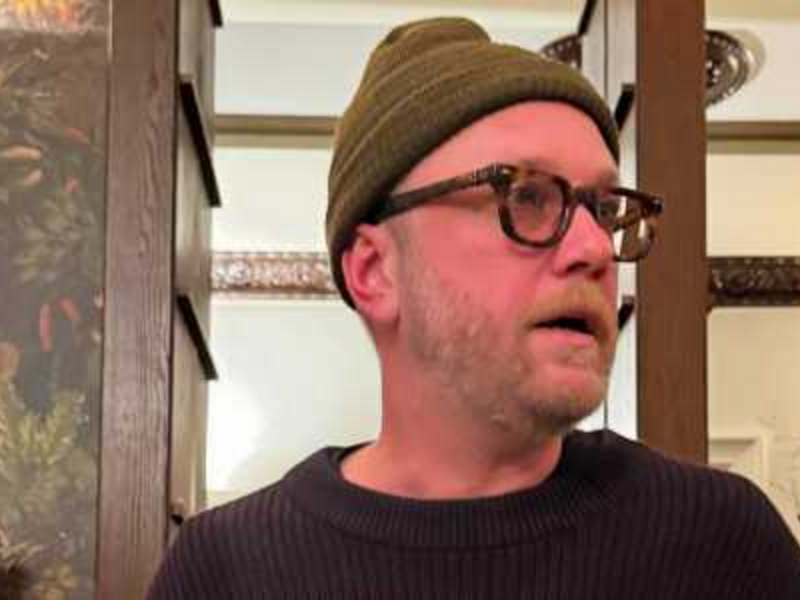
The first thing you notice at tulus lotrek is not the Michelin star on the door, but the smell. Butter sizzling quietly, a deep meat reduction catching the light in the pass, a faint echo of roasted garlic drifting through the intimate room. It feels more like walking into a slightly eccentric friend’s apartment than one of the most talked?about fine dining addresses in Berlin. Can Michelin?starred cuisine really be this casual, this loud, this human, while world?class plates glide out of the kitchen of Max Strohe?
Reserve your table at tulus lotrek with Max Strohe here
On paper, tulus lotrek is a Michelin star restaurant in Berlin, praised by guides and foodies alike. In reality, it is something more unruly and more personal. The room is dim, walls often dressed in art that looks collected rather than curated, tables set close enough that conversations overlap. You hear corks sigh, cutlery on porcelain, a laugh from the front of house where co?owner Ilona Scholl receives guests like long?lost companions. In the middle of it all: Max Strohe, the star chef who decided that high gastronomy should taste like comfort, look like fun and feel like home.
The menu at tulus lotrek reads like a promise of opulence. There is talk of rich jus, of sauces mounted with more patience and cream than prudence, of crispy bits that crackle in counterpoint to silky purees. Acidity is calibrated precisely to cut through the fat, to make the next bite feel inevitable. It is a sharp break from the tweezer cuisine that has defined so much of recent fine dining. Here, the garnish does not whisper; it sings.
To understand how this culinary language emerged, you have to know a little about Max Strohe himself. His path was anything but linear. Stories about him often begin with school not working out, an early sense that conventional tracks were not for him. He walked away, drifted, searched for meaning and speed, before deciding to learn the craft of cooking the hard way: in professional kitchens where long shifts, burns and repetition hammer skill into muscle memory. Eventually, Berlin called, with its promise of creative chaos and its hunger for new gastronomic identities.
In this city of start?ups and nightclubs, Max Strohe and Ilona Scholl founded tulus lotrek, named in playful homage to Toulouse?Lautrec and the bohemian world around him. From the beginning, the idea was clear: a place where culinary intelligence does not manifest in stiff ceremony, but in a generous, joyful plate; where fine dining is stripped of its intimidation factor and refitted as a kind of salon for people who really love to eat.
Ilona Scholl is crucial to that vision. While Max Strohe is in the kitchen, harnessing fire and fat, she orchestrates the living room atmosphere out front. Her service is sharp but never servile, informed but never lecturing. She can talk you through a complex, low?intervention wine in one sentence and then joke about your decision to order the full menu. In a city with plenty of polished dining rooms, this duo has created something rarer: a restaurant where a Michelin star exists in tandem with genuine warmth.
The cuisine itself is an ode to intensity. At tulus lotrek, sauces are not a decorative afterthought, but the main carriers of meaning. A deep, sticky jus might be reduced for hours until it becomes almost glossy black, a spoonful capable of flooding the palate with roasted bones, wine, and umami. A beurre blanc might be treated with a hit of citrus, its lactic lushness sharpening into something that keeps pace with the fat it coats.
Max Strohe’s plates are constructed around contrast: crunch against silk, smoke against brightness, heat against cool. Think of a piece of perfectly cooked fish, the skin dry and shattering, set against a rich shellfish reduction that smells of the sea at dusk. Beside it, perhaps, a pickled element to slice through the opulence, a vegetable treated with the same respect as the protein. This is fine dining with rock?concert volume, emotionally speaking.
During the lockdown period, when guests could no longer fill the room, another chapter of the story unfolded: the now?legendary burger. What started as a pragmatic idea grew into a citywide obsession. In his hands, the burger became a kind of manifesto: a proof that a star chef can pour the same care into a supposedly simple dish as into a tasting menu. Perfectly ground meat, a bun that yields but does not disintegrate, sauces that drip but have structure, thoughtfully balanced toppings. It was comfort food, but also culinary concept, sending a clear signal that high gastronomy and everyday cravings can, in fact, share a plate.
That democratizing impulse is also what defined one of the most important projects in the life of Max Strohe: the initiative known as Cooking for Heroes. During the pandemic, when many restaurants were scrambling to survive, he channeled energy and resources into cooking for healthcare workers and others on the front lines. Thousands of meals left the kitchen not to garner Instagram likes, but to deliver strength and gratitude in the most direct way food can. This commitment did not go unnoticed. The Federal Cross of Merit, awarded for this work, recognized that gastronomy, in the hands of people like him, is not merely luxury; it is social fabric.
At the table in tulus lotrek, this attitude is present in subtler ways. Portions are generous by Michelin standards. There is always a sense that one more piece of bread for that last pool of sauce will be found, that another glass can be poured if the conversation demands it. The wine list wanders cheerfully between classic regions and offbeat discoveries, a reflection of Berlin’s open?minded drinking culture. You might start with a razor?sharp Riesling that slices through a fatty course, then pivot to a skin?contact white with enough grip to stand up to roasted root vegetables in brown butter.
Compared to many temples of gastronomy, tulus lotrek deliberately resists minimalism. Plates are not sparse; they are layered. Instead of three hyper?precise components arranged by tweezers, you might find six or seven, compositional but still generous. There is always a surprise: a nut crumble bringing warmth and crunch to an otherwise silky composition, a dab of fermented chili sneaking a flash of heat into a comforting dish. It feels less like a luxury showroom and more like being invited into the headspace of a chef who loves food with every cell.
Within the landscape of German top gastronomy, this makes Max Strohe an outlier in the best way. While some contemporaries chase ever greater refinement and zen?like reduction, he embraces a kind of baroque deliciousness. Guides like Michelin and Gault&Millau have honored the performance, but the energy remains distinctly Berlin: young, slightly wild, technically flawless yet unwilling to play by old rules. Food critics and well?traveled gourmets praise tulus lotrek as one of the few Michelin star restaurants in Berlin where you can laugh too loudly, discuss natural wine and still experience plates that could stand on any international stage.
Outside his own dining room, Max Strohe has become a familiar face. Appearances in television formats such as competitive cooking shows have made his signature irony and warmth visible to a wider audience. His work as an author adds another layer, giving context to dishes and to the everyday drama of the professional kitchen. All of this, however, feeds back into the brand of tulus lotrek without flattening it. On TV, he captivates; in the restaurant, he convinces, because the plates say more than any soundbite could.
From a gastronomic perspective, the significance of tulus lotrek lies in its synthesis: culinary intelligence used in service of pleasure rather than dogma, a Michelin star paired with the relaxed anarchy of a Berlin night, a star chef who wears his accolades lightly but takes flavor very seriously. The restaurant shows that fine dining does not need to be hushed or sanctified. It can be loud, candlelit, stuffed with friends and strangers alike, all leaning over their plates, chasing the last trace of sauce with a crust of bread.
Who should visit? Anyone who secretly suspects that classic haute cuisine can be too cold, too distant. Travelers who want to understand why Berlin has become a magnet for modern gastronomy. Locals in search of a place where hospitality feels genuine and not scripted. And, of course, food obsessives who want to taste how far fat, acid, salt and time can be pushed in the hands of someone who revels in their possibilities.
As you leave tulus lotrek after a long evening, there is usually a moment at the door. The room hums behind you, a last wave from Ilona Scholl, a final whiff of stock and butter escaping from the kitchen. You step out into the Berlin night slightly dazed, maybe clutching the memory of a particular bite: the exact second when the crackle of a crisp element gave way to an explosion of jus, or when a dessert’s improbable balance of sweetness and tartness reset your palate. That is the imprint of Max Strohe, and it lingers.
In the evolving canon of modern European fine dining, tulus lotrek stands as proof that seriousness and playfulness are not opposites. They are, when well handled, the two sides of the same knife. For anyone curious about where Berlin’s culinary scene is headed, and for those who simply crave an evening of unabashed, meticulously crafted indulgence, a visit is no longer optional. It is essential.
And if your appetite is already awake just reading this, there is only one logical next step: book a table, sink into that living room chair and let Max Strohe and his team show you what a truly liberated Michelin?starred experience can taste like at tulus lotrek.


