
NBA Tabelle: Trends, Spieler-Highlights & Teamdynamik im aktuellen Saisonverlauf
06.12.2025 - 09:03:09Die aktuelle NBA Tabelle spiegelt mehr denn je das hitzige Rennen um die Playoff-Plätze wider. Welche Spieler und Teams dominieren – und wo liegen entscheidende Veränderungen in den letzten Wochen?
The NBA table has rarely been as electrifying and dynamic as in recent weeks. As the second quarter of the season unfolds, basketball fans worldwide watch the ongoing shifts at both conference and division levels with growing anticipation. The top teams have solidified their positions, but fresh narratives—emerging player performances, unexpected win streaks, and sudden slumps—reshape the standings nearly every game night. Is this the foundation for new dynasties, or just the latest chapter in an unpredictable year?
See the current NBA table and team stats on the official NBA website
Take the Oklahoma City Thunder, for example. Riding a stunning 14-game winning streak (as of early December), they have surged up the NBA table, now boasting a 22-1 record—an achievement that rightfully earns headlines and triggers debate: could they challenge the Golden State Warriors’ legendary 73-9 regular season mark? With Shai Gilgeous-Alexander hitting 10-for-12 from the field for 33 points in the latest 132-111 routing of Dallas, the Thunder have become the league’s hottest commodity, their young players growing in tandem and their defense stifling even the strongest opposition.
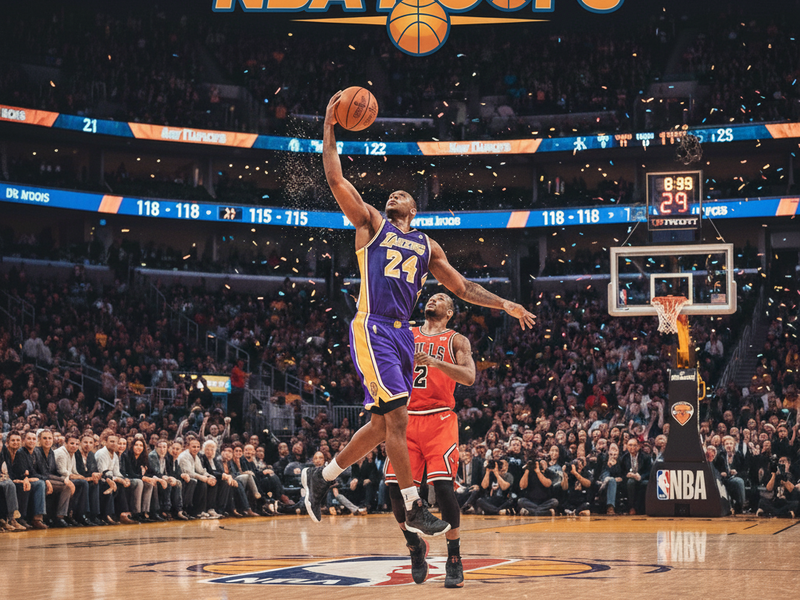
Elsewhere, the Boston Celtics cruised to a wire-to-wire 126-105 victory over the Los Angeles Lakers, underscoring the depth and confidence that currently defines their squad. Jaylen Brown’s 30 points and the team’s collective 24 threes hint at a playing philosophy—high tempo, relentless spacing—that’s keeping them near the table’s summit. Meanwhile, the Lakers, recovering from a slow season start, recently climbed back into the NBA’s top five per many power rankings, with LeBron James extending (and ending) his own scoring streaks and the team showing newly found resilience.
Not to be overlooked, Kevin Durant of the Phoenix Suns continues rewriting history. A recent 28-point performance pushed him past the 31,000 career point plateau, placing him in an elite club of just seven NBA players. The Suns’ convincing win tempered some recent turbulence, but they remain in the table’s crowded midsection—a reminder of how fierce the competition has become.
And what about the Denver Nuggets? Nikola Joki?’s form is nothing short of astonishing: a 40-point, 9-rebound, 8-assist night in a comeback against Atlanta keeps him atop the latest MVP ladders. Denver’s ability to recover from deep deficits, often riding Joki?’s consistency and creative playmaking, suggests they’re more than just defending champions—they’re a serious threat to repeat.
Parsing through the recent news, several other teams and stars are on the rise. The Detroit Pistons, energized by Cade Cunningham’s 29-point outings and back-to-back Player of the Month honors, are slowly climbing out of the Eastern Conference cellar, embodying a gritty rebuilding ethos. In contrast, the New York Knicks sprinted to a record 23-0 start versus Utah, a milestone that reflects their improving chemistry and growing ambition in the NBA table race.
Over the last four to six weeks, the NBA landscape has shifted constantly due to injuries, trades, and strategic decisions. Milwaukee’s Giannis Antetokounmpo, for instance, will be sidelined about four weeks with a calf injury—a concern for Bucks fans, as the team navigates a packed schedule and stout Eastern rivals. Meanwhile, several coaching moves and midseason acquisitions are already affecting the table, from rotation tweaks (such as Dallas’ use of Luka Don?i? and Kyrie Irving) to bold trade rumors swirling around playoff hopefuls.
On the macro level, the NBA as an organization continues to innovate. The introduction of the Emirates NBA Cup has infused fresh competitive spirit into the first half of the season, prompting coaches to rethink player usage and tactical priorities. Internationalization drives on and off the court, with the league’s social media, merchandising, and digital offerings constantly expanding. Notably, the upcoming 2026 All-Star format—pitting two U.S. teams against a World squad in a round-robin—signals the NBA’s commitment to globalize its product and tap new fan bases.
Historically, the NBA table serves as more than just a win-loss record—it’s a reflection of strategic trends. Over the past two years, the league has seen a shift toward younger, hyper-athletic lineups and rapid 3-point shooting. Teams such as Boston and Oklahoma City exemplify this with their blend of youth and efficiency. At the same time, legacy franchises like the Lakers and Warriors remain media darlings and crucial revenue drivers, their markets underpinning league-wide sponsorship and broadcast deals.
But with global interest come structural risks. The league’s balance of power can rapidly tilt with injuries or off-court controversies. Salary cap changes, ongoing debates over player rest and scheduling, and the introduction of new in-season tournaments mean that predicting the NBA table—even a few weeks ahead—remains tricky business.
Looking ahead, savvy observers will be watching not just for win-loss records, but for subtle shifts in player usage, emerging strategies, and how management steers franchises through injury waves and contract negotiations. The NBA table will reflect these moves, offering a real-time barometer of each team’s resilience—and its playoff ambitions.
Go deeper: Get the latest official NBA table and detailed team breakdowns here
Ultimately, the NBA table remains a mirror to a league defined by constant innovation and storytelling. As the next wave of games unfolds, all eyes will be on who can sustain the momentum—and who might be primed for an unexpected surge or a costly misstep. Fans would be well advised to keep a close watch on the standings, star performances, and the league's ever-shifting narrative.


