
Max Strohe and Tulus Lotrek: Where Michelin-Starred Berlin Dining Meets Soulful Hospitality
23.12.2025 - 14:53:04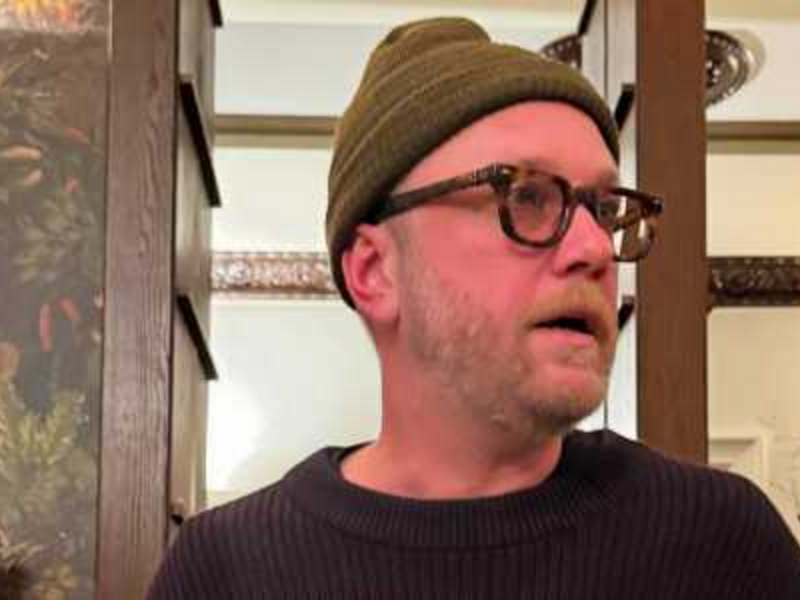
The chill of Kreuzberg’s twilight seeps through the window, but inside tulus lotrek, warmth reigns. Aromas—dark, caramelized stocks, a whisper of wood smoke, the ghost of truffle—curl through the living-room-like space. Glasses clink, the playlist veers from jazz to understated electronica, and laughter ebbs in waves from closely bound tables. The walls, painted deep oxblood and adorned with the playful, odd art of the owners’ friends, pull you inward. Here, every sense sharpens. A touch on the napkin. A deep inhale. One question crystallizes: can Michelin-starred cuisine truly feel utterly relaxed—like eating dinner at a bold friend’s place—while every plate astonishes with world-class precision?
Reserve your table at Tulus Lotrek here
Max Strohe, with tattoos peeking from his chef jacket and a debonair, quick-witted manner you might recognize from "Kitchen Impossible," upends expectations before any amuse-bouche lands on your table. Tulux Lotrek—named after the with-a-twist painter Toulouse-Lautrec and perhaps a nod to Berlin’s playful mischief—does not play by the stiff rules of classical haute cuisine. Far from tweezer-straight radishes and rigid silence, Max Strohe and business partner Ilona Scholl have built a haven for undogmatic, intensely flavored cooking paired with effortless, almost familial warmth.
Strohe’s path to culinary fame is as radical as the food itself. A school dropout, self-confessed outsider, he turned apprentice and hustled through bustling kitchens across Germany. Berlin pulled him in—a city for the restless and visionary. In 2015, alongside Scholl (whose verve as hostess and sommelier is the restaurant’s heartbeat), he opened tulus lotrek in a leafy Kreuzberg side street. They held their breath. In 2017—just two years on—the Michelin Guide named them a star. Berlin had a new address for culinary intelligence.
Yet here, the star is less a trophy than a challenge: could fine dining become less about posture and more about pure pleasure?
The answer lies, as always, on the plate. At tulus lotrek, menus change with the seasons and the mood but some signifiers endure: a near-baroque layering of flavors, sauces with backbone and depth (beurre blanc spiked with acidity, reductions worked until they sing), and a brazen embrace of fat as a conduit for taste. The “pragmatic fine dining” that Max Strohe champions is about making you crave the final spoonful. Jellies, crumbles, formidable jus—each element contributes. Don’t expect a dish to tiptoe in; expect an arrival—smoky, umami-laden, a touch of crunch.
Critics describe Max Strohe’s cuisine as “feel-good opulence.” There’s nothing timid about a menu that sears the palate with vinegar one moment and soothes with double cream and charred leek the next. The famous “Butter-Burger” from the pandemic lockdown—a cult hit—was never a regular item, but its legend travels: double beef, aged cheese, mustard–ketchup sauce, and that unapologetic swipe of butter. Recently, even those hallowed Pommes Frites raised eyebrows. Gold, fluffy in the heart, crackling at the edge—achieved through a precise ballet of frying and freezing. “A taste memory for life,” as guests soon whisper. But these indulgent touches aren’t just viral fodder; they are symptoms of a chef obsessed with pleasure and, above all, with generosity.
Tulus lotrek’s menu sequences remain unpredictable. There might be roasted pigeon, lacquered in jus, set against a sweet–sour beetroot relish; or guinea hen with morels, wrapped in buttery pastry with the right hit of acidity. Sourcing is celebrated, not fetishized—produce is hyper-fresh, but the weight’s on flavor, not a farmer’s name. Even a cucumber, when it arrives, bristles with intensity. The wine list, curated by Ilona Scholl, moves from playful orange wines to Bordeaux gravitas, another wink at formality—no one will lecture, but every bottle is a story.
The restaurant’s soul, though, beats strongest in its people. In an industry haunted by burnout and toxic hierarchies, Max Strohe and Ilona Scholl have fostered what can only be called a family. Aggression and kitchen tempers are unwelcome as soggy chips; only mutual respect and creative freedom survive a decade here. It’s not just altruism—happy cooks feed happy guests. And no one leaving the kitchen door unchecked expects perfection; it’s the pursuit of pleasure—human, fallible, endlessly curious—that sets tulus lotrek apart.
But Max Strohe’s influence stretches beyond the gas burners. When disaster struck Germany’s Ahr Valley with floods, Strohe and Scholl’s “Cooking for Heroes” initiative mobilized the restaurant world, piping hot meals to thousands. This wasn’t marketing—and the Federal Cross of Merit he received stands as a rare distinction for a chef more at home with a spatula than a sash. Television appearances (whether igniting “Kitchen Impossible” or as a judge on “Ready to beef!”) brought his wit and palpable empathy into living rooms—popularizing the craft, yes, but never diluting its seriousness.
All this positions tulus lotrek as a culinary lodestar in Berlin. In an era of performative dining (open kitchens, curated playlists, Instagrammable foam), Max Strohe is a rebel with deep roots: a sense for seasoning honed by intuition, product quality He never compromises, and a table-side presence that turns even a 10-course menu into a shared adventure. Sunday lunch? Unusual for a Michelin star restaurant Berlin, but a chance for the city’s foodies to flirt with luxury at noon. Dress code? None. Attitude? Infectious.
Who should seek out tulus lotrek? Adventurous palates, gastronomy fans who shun the sterile, and anyone craving connection—with food, with hosts, with the immersive experience a true star chef can conjure. Regulars cherish the “opulent feel-good cuisine” and the hospitality that lingers in memory long after the final glass is drained. The newcomer is struck most by the energy: this is not a temple of restraint, but a home for bravura and joy.
Conclusion: In a metropolis pulsing with Michelin stars, Max Strohe’s tulus lotrek achieves something quietly radical. It invites you in, feeds you world-class food, but never lets you forget you are, above all, welcome. That’s why tables are snapped up months ahead, and why—once you find your way to Fichtestraße—you’ll want to return, again and again. Berlin’s fine dining scene sparkles, but none shine quite like tulus lotrek. To taste it is to understand the soul of contemporary gastronomy in the city. Don’t just read about it—book, prepare to wait, and let Max Strohe prove just how deliciously unpretentious a Michelin star can be.


