
Green Day 2026: Tour Buzz, Setlists & Wild Fan Theories
14.02.2026 - 05:14:15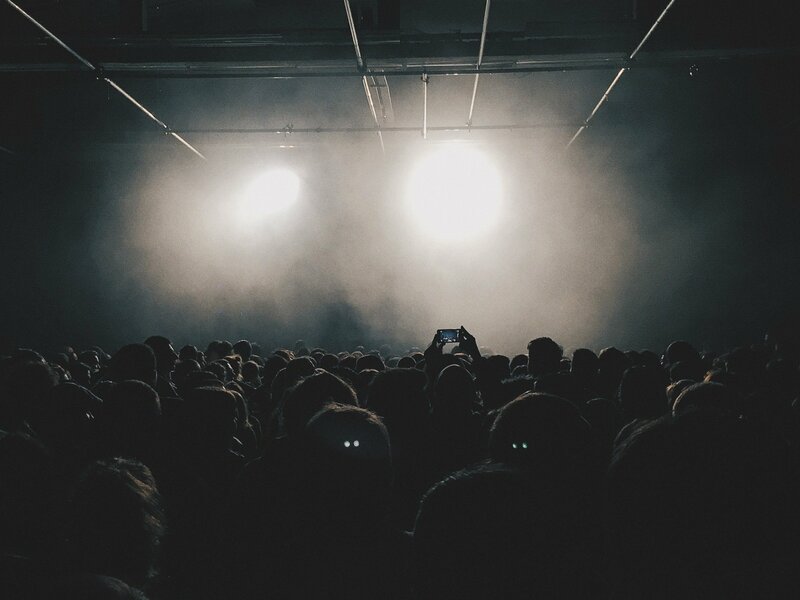
If it feels like Green Day are suddenly everywhere again, you're not imagining it. Your feed, your friends, your For You Page – it's all Billie Joe, Mike and Tré right now. Whether you're a Dookie kid, an American Idiot teen, or a TikTok convert who just discovered "Basket Case," the buzz around Green Day in 2026 is loud, messy, and honestly kind of exciting.
Check the latest official Green Day tour dates here
You've got rumors of new shows, fans dissecting every setlist, and Reddit threads trying to predict exactly when they'll drop the next era. And in the middle of all of that, one simple truth: when Green Day move, rock fans still move with them. So let's break down what's actually happening, what might be happening, and what you need to know before you smash that ticket-buy button.
The Backstory: Breaking News in Detail
Here's the big picture: Green Day are deep into their veteran phase, but they're refusing to act like a legacy act. Over the last couple of years, they've doubled down on touring, festival slots, and anniversary nods to their classic albums, while still framing everything as very much "now" instead of a pure nostalgia run.
In recent interview chatter with major music mags and radio shows, Billie Joe Armstrong has kept leaning on one idea: the band still feels like it has something to prove. That's wild for a group that's already sold tens of millions of records and headlined basically every rock festival on earth. But it explains why the current conversation around Green Day feels more urgent than "just another legacy tour."
Industry outlets have been hinting that the band and their team are eyeing another big touring stretch centered on a tight, high-energy show: shorter intro, no dead air, and a set that swings hard between early '90s pop?punk chaos and the giant, stadium?ready anthems of the 2000s. promoters in both the US and UK have reportedly been circling spring and summer windows, watching ticket demand from recent tours and festival dates stay stubbornly high.
Fans are also connecting the dots between recent press appearances, small-club surprise sets, and strategic social media drops. Anytime the band posts archive footage of "American Idiot" or "Holiday" live, the comments are full of people asking, "Why are you posting this now?" That timing has fueled theories that more tour legs or special anniversary shows are on the table.
For US and UK fans especially, the implications are pretty clear:
- Keep an eye on major markets like Los Angeles, New York, Chicago, London, Manchester and Glasgow – the band and their crew historically treat these as anchor cities for any big run.
- Don't sleep on festivals. Green Day love a stacked bill, and their name on a poster usually means a carefully curated set that squeezes in maximum hits.
- If you saw them in the last couple of years, don't assume the next round will be identical. They've been rotating deep cuts and fan favorites in a way that keeps repeat shows fresh.
From a fan angle, the why is simple: this band thrives on crowd energy. Any time you hear Billie Joe talk about the future of Green Day, he circles back to the live show. It's the one thing that keeps the band feeling alive, and you can feel that in the way they're structuring new runs – less about a static "greatest hits" museum piece, more about staying dangerous, loud and a bit unpredictable.
The Setlist & Show: What to Expect
If you're trying to guess what you'll actually hear when Green Day hit the stage, recent setlists are your best cheat sheet. Across the last touring cycles, some patterns have become pretty clear – and they say a lot about where the band's head is at.
Most nights open with a 1?2?3 punch designed to light up both the pit and the cheap seats. Think an adrenaline?spike like "American Idiot" or "Know Your Enemy" kicking things off, followed sharply by older pop?punk staples like "Basket Case" and "When I Come Around." That combo instantly pulls in every era of fan: the kids who found them through political anthems and the people who still remember buying Dookie on CD.
Recent typical setlists have revolved around a core of absolute non?negotiables:
- "Basket Case" – the crowd scream on the "I think I'm cracking up" line is still seismic.
- "American Idiot" – still a full?body release, especially in US and UK cities where the lyrics have aged into bitterly relevant commentary.
- "Holiday" – the live gang vocals and call?and?response moments turn this into a full?arena singalong.
- "Wake Me Up When September Ends" – the emotional breather mid?set, phones in the air, people crying quietly to themselves.
- "Brain Stew"/"Jaded" – a riff breakdown that hits way harder live than you remember.
- "Longview" – because that bassline deserves a stadium of its own.
They've also been digging deeper into their catalogue. Tracks like "Hitchin' a Ride," "Minority" and "She" show up often, and every time they pull out older cuts like "Burnout" or "Welcome to Paradise," the die?hard fans lose their minds. On some recent runs they've even slipped in Insomniac deep cuts, which has become a mini?trend on TikTok as younger fans react to discovering "Geek Stink Breath" live.
Atmosphere?wise, a Green Day show in 2026 is still part punk gig, part theatre, part chaos experiment. Billie Joe works the stage like a hyperactive ringmaster, pointing the mic at the crowd, running side?to?side, and, on the right night, dragging a fan onstage to play guitar for "When I Come Around" or "Knowledge." That moment has become a rite of passage: there are whole YouTube compilations of kids and grown?ups absolutely shaking while they try to nail the chords in front of tens of thousands of people.
Production has stayed big but not sterile. Expect:
- Confetti blasts during the biggest choruses.
- Pyro and fire bursts during heavier tracks like "American Idiot" and "Holiday."
- Old?school banner drops and visuals nodding to album art from Dookie, American Idiot and beyond.
- Classic call?and?response sections where Billie Joe tests how loud each side of the arena can yell back.
Recently, fans have also noted that Green Day seem more comfortable than ever blending eras. One stretch of the set might go from a new or recent track straight into "Jesus of Suburbia" – that 9?minute epic is still a centerpiece, complete with full?body acting from Billie Joe and a crowd that knows every word of every section.
The upshot: if you grab a ticket to any upcoming Green Day date advertised on the official site, you're not walking into a sleepy nostalgia revue. You're getting a fast, loud, slightly unhinged ride through three decades of songs, delivered by a band that still plays like their reputation is on the line.
What the web is saying:
Rumor Mill: What Fans Are Speculating
If you hang out on Reddit, TikTok or X for more than five minutes, you'll find that Green Day fans are not exactly chill about the future. The rumor mill around the band is as noisy as any hyper?online pop fandom, just with more ripped jeans and piercings.
One of the biggest threads of speculation right now is about special shows and anniversary?style sets. Every time a significant milestone for Dookie, Insomniac or American Idiot rolls around, fans start spinning theories: full?album performances, surprise one?off theatre gigs, or underplay club shows in cities like London, New York or Berlin. A lot of this comes from Green Day's history of doing exactly that in the past – intimate warm?ups before huge tours, announced late and sold out in seconds.
On TikTok, some of the loudest chatter has zeroed in on setlist tweaks. Fans have been posting clips captioned "They brought THIS back?!" whenever a deeper cut pops up in rotation. That fuels mass speculation that the band are testing which songs hit hardest with the newer, younger crowd, before locking a final set list for the next stretch of dates. People are literally running polls: "Which song would you sacrifice if it meant bringing back 'St. Jimmy'?"
There's also a lot of talking (and complaining) about ticket prices. Punk purists hate seeing any band associated with affordable, grimy club roots charge arena?level prices. But fans are just as quick to point out that Green Day's production, crew, and scale in 2026 look nothing like a $10 basement show. You'll find entire Reddit comment chains where people compare different cities, flex their presale wins or rage about dynamic pricing pushing the best seats into painful territory.
Another popular theory orbiting social feeds is that Green Day are experimenting with a quieter rollout style. Instead of huge months?long advance announcements, they've been dropping some things in shorter windows: teasing key dates, leaning on email lists and fan?club notifications, and letting word of mouth do more work. That keeps energy high, but it also causes a lot of "Did I miss something?!" anxiety among fans.
And then there are the wild cards. Some fans swear they've spotted clues pointing to live collaborations – theories about surprise guests on specific city dates, or mash?ups with younger rock and pop?punk acts who cite Green Day as a core influence. On TikTok, edit culture is pairing older Green Day footage with audio from newer alternative acts, which naturally snowballs into "What if they share a stage?" energy.
Underneath all the noise, the vibe is simple: people really don't feel done with this band. The fact that there are so many theories, guesses and arguments is a sign that Green Day still occupy active mental space for a whole generation – and a new one that discovered them through playlists and memes rather than MTV.
Key Dates & Facts at a Glance
Want a fast snapshot of what matters for Green Day fans right now? Here's a simple overview with key info you'll keep coming back to.
| Type | Region | Example City | Typical Timeframe* | Notes |
|---|---|---|---|---|
| Headline Tour Dates | USA | Los Angeles, New York, Chicago | Spring–Summer | Major arenas and stadiums, presales often via fan club or credit?card partners. |
| Headline Tour Dates | UK | London, Manchester, Glasgow | Summer–Early Autumn | Mix of arenas and big outdoor venues; London usually gets at least one flagship night. |
| European Shows | EU (General) | Berlin, Paris, Madrid | Summer | Often tied to festival slots; watch big rock and alternative festival posters. |
| Festival Appearances | US / EU / UK | Varies | Summer | Shorter, hit?heavy sets; great if you want maximum bangers in under 90 minutes. |
| Ticket Price Range | US & UK | Major Cities | On?sale periods | Roughly from lower?tier seats up to premium packages; prices fluctuate with demand. |
| Classic Albums | Global | – | Ongoing | Dookie and American Idiot remain the most referenced in setlists and fan culture. |
| Official Tour Info | Global | – | Updated continuously | Always verify dates and cities on the official page: greenday.com/tour. |
*Timeframes are indicative and can shift; always check official announcements for exact dates.
FAQ: Everything You Need to Know About Green Day
Curious, catching up, or planning your first ever Green Day gig? Here's a detailed FAQ built from what fans actually ask online.
Who are Green Day and why do they still matter in 2026?
Green Day are a US punk?rooted rock band that broke out of the Bay Area scene in the late '80s and '90s. The core trio – Billie Joe Armstrong (vocals/guitar), Mike Dirnt (bass) and Tré Cool (drums) – turned scrappy, catchy, fast punk songs into something you could scream in your bedroom and shout along to in an arena. Their mainstream explosion started with Dookie, but they reinvented themselves in the 2000s with American Idiot, a politically charged rock opera that dragged punk into the stadium age.
They still matter in 2026 because their songs have outlived any one trend. "Basket Case" feels just as relevant to anxious, overstimulated Gen Z listeners as it did to disaffected '90s kids. "American Idiot" keeps finding new layers whenever global politics turn chaotic. And, maybe more importantly, their live shows still feel like events, not heritage?act obligations. They keep their catalogue in rotation, interact heavily with crowds, and treat every night like a chance to convert yet another generation of fans.
What can I realistically expect from a Green Day concert right now?
Expect a full, high?octane show that generally runs around the 1.5 to 2?hour mark. You'll probably hear the big songs you're hoping for: "Basket Case," "American Idiot," "Holiday," "Wake Me Up When September Ends," "Longview," "Minority," and at least sections of "Jesus of Suburbia." Beyond that, they usually sprinkle in a few deeper cuts or fan?favorite album tracks that shift from night to night.
The crowd is a very mixed age range. You'll see parents bringing teens to their first big rock show, older fans who've been around since the '90s, and friend groups who got into the band through playlists, TikTok edits or rhythm games. The front sections can get rowdy – moshing, jumping, bodies moving constantly – but the upper seats offer a solid view if you prefer to scream along from a safe distance.
How do I find official and up?to?date tour dates?
Always start with the official source: the band's own website. Third?party sites, fan accounts and screenshots circulate fast and can lag behind cancellations, venue changes or added dates. Green Day maintain their current schedule at the official tour page, which is the reference point for promoters and ticket sellers.
Bookmark the official listing, sign up for email updates if you're serious about catching them, and cross?check everything against primary ticket platforms linked from that page. That's especially important if you're traveling or juggling multiple possible show dates across the US, UK or Europe.
Why do people call Green Day both "punk" and "rock opera" at the same time?
Because they grew up out of small, DIY punk shows but refused to stay inside that box. Early records, especially Kerplunk! and Dookie, are packed with short, sharp, funny, sometimes gross songs that move quick and hit hard – classic pop?punk energy. Then, with American Idiot, they stepped into something much bigger: a concept album with characters, recurring themes, multi?section epics and a full narrative arc.
That leap is why you see such a split among fans. Some people swear by the raw, goofy punk era. Others live for the theatrical, political rock?opera phase. In 2026, Green Day lean into both. Their live show will jump from an under?three?minute blast of early material straight into a multi?part, emotionally dense epic without apology. That juxtaposition is basically their identity now.
Where do Green Day usually play in the US and UK?
In the US, expect major arenas and outdoor stadiums in big markets first: Los Angeles, San Francisco or the Bay Area, Seattle, Chicago, New York, Boston, Philadelphia, Dallas, Atlanta and similar hubs. Depending on the scope of a given tour, you might also see secondary cities getting amphitheatre dates, especially in the summer.
In the UK, London is almost always a lock, often at a large arena or stadium. Manchester, Birmingham, and Glasgow are frequent stops, with other cities rotating in depending on routing and demand. For Europe, Berlin, Paris, Amsterdam, and Madrid are classic anchor spots, with festivals filling in a lot of the gaps for regional fans.
When should I buy tickets, and is there any way to beat the rush?
For a band at Green Day's level, timing can absolutely matter. Presales – fan club, promoter, credit?card, or venue-based – are often your best shot at solid seats at face value. Keep an eye on official announcements and the tour page for presale codes and dates. If you miss those, being online the minute general onsale opens still gives you the best chance before dynamic pricing pushes high?demand sections up.
If you're open to risk and don't need floor or front?block seats, waiting can sometimes help: prices on some resale platforms drop closer to show time if demand softens. But that's not guaranteed, and it's stressful if this is a bucket?list show for you. For most fans, the safe approach is simple: plan ahead, use presales, and decide in advance how much you're genuinely willing to spend.
Why do Green Day shows feel so emotional, even for casual fans?
Part of it is just the subject matter. Tracks like "Wake Me Up When September Ends" and "Boulevard of Broken Dreams" tap into grief, loneliness and coming?of?age heartbreak, and that doesn't age out. Standing in a crowd with thousands of people all singing those lyrics at once hits different than hearing them alone through headphones.
The other part is the band's stage presence. Billie Joe constantly breaks the "wall" between band and audience, giving little speeches, making eye contact with people in the front rows, and letting the crowd carry entire choruses. It feels less like watching a distant rock institution and more like crashing a loud, messy, communal therapy session where everyone understands exactly why those songs still matter to you right now.
Get the professional edge. Since 2005, 'trading-notes' has provided reliable trading recommendations. Sign up for free now
@ ad-hoc-news.de
Hol dir den Wissensvorsprung der Profis. Seit 2005 liefert der Börsenbrief trading-notes verlässliche Trading-Empfehlungen – dreimal die Woche, direkt in dein Postfach. 100% kostenlos. 100% Expertenwissen. Trage einfach deine E-Mail Adresse ein und verpasse ab heute keine Top-Chance mehr.
Jetzt anmelden.


